Core Puzzle Mechanics
Players interact with a grid filled with colored tiles, each needing to reach a corresponding exit. The primary action involves selecting a tile and moving it along open paths. This simple interaction forms the foundation for increasingly complex puzzles. The game rewards those who think several steps ahead, as a single move can open or block routes for other tiles. Unlike games that emphasize speed, this experience prioritizes careful consideration and methodical planning.
Obstacle Variety and Strategy
As players progress, they encounter obstacles that change how tiles behave. Some tiles can only move in one direction, requiring players to approach them from a specific angle. Others are layered, meaning they must be moved in a precise order to clear the path. Locked tiles require finding a key elsewhere on the grid, while frozen tiles must be thawed before they can be shifted. These elements add depth without overwhelming the player, as each new type is introduced gradually.
Visual Design and Accessibility
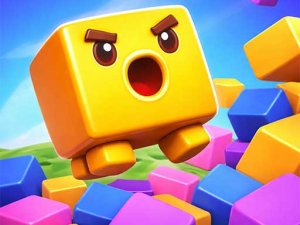
The game uses a clean, colorful interface that makes it easy to distinguish between different tile types and obstacles. The grid is clearly laid out, and the controls are responsive whether using a mouse on desktop or a finger on a mobile screen. This design choice ensures that the focus remains on solving the puzzle rather than struggling with the interface. The gentle learning curve makes the game approachable for newcomers while still offering enough complexity for experienced puzzle enthusiasts.
Progression and Replayability
Each completed puzzle unlocks the next, with the difficulty increasing steadily. The game avoids repetition by ensuring that no two levels feel identical. A level selection screen allows players to track their progress and revisit earlier puzzles if they wish to improve their approach. This structure encourages players to develop their problem-solving skills over time, as each new level presents a fresh arrangement of tiles and obstacles to work through.




Comments
0 comments