Core Combat Loop
Castle Guardian Reflex Battle strips away unnecessary complexity to focus on a single, pure interaction: reading your opponent and responding with the correct action. Each enemy approaches with a tell that signals whether you should attack or defend. The game presents a continuous stream of these micro-decisions, forcing you to stay alert and adapt on the fly. There are no combo lists to memorize or complex button sequences. Success comes from recognizing patterns and committing to your choice without hesitation. This design creates a tight feedback loop where every correct block or strike feels earned, and every mistake provides a clear lesson for the next attempt.
Visual Atmosphere & Feedback
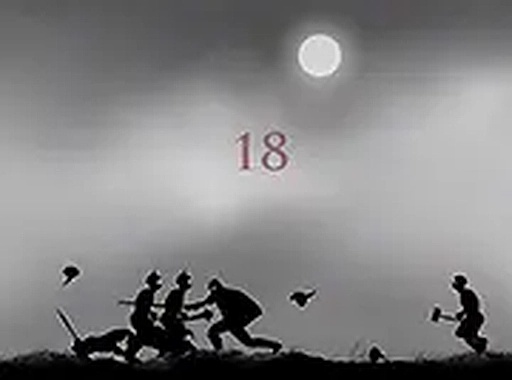
The game world uses a muted color palette with dark stone textures and flickering torchlight to create a sense of isolation and pressure. Enemy designs vary in silhouette and attack speed, allowing players to differentiate threats at a glance. Visual cues are critical: a flash of light precedes an unblockable attack, while a subtle shift in stance indicates a feint. The interface remains minimal, with health and score displayed discreetly at the edges of the screen. This approach keeps your focus on the action, where the only feedback that matters is whether you survived the last exchange.
Progressive Difficulty Curve
Early waves introduce a single enemy type with a slow, predictable pattern. As your survival time increases, new enemy variants appear with faster attacks, mixed timings, and combinations that require rapid switching between offense and defense. The game does not rely on artificial stat inflation; instead, it teaches you through escalating complexity. A player who masters the first few waves will find later stages demanding a higher level of concentration and pattern recognition. This gradual ramp ensures that the challenge remains engaging without feeling unfair, as each new obstacle builds on skills you have already practiced.
Scoring & Replay Motivation
The scoring system rewards both longevity and efficiency. Surviving longer increases your base score, but defeating enemies in quick succession grants a multiplier bonus. This creates a natural tension between playing it safe and taking calculated risks. Each session generates a unique combination of enemy sequences, so no two runs play out exactly the same. The game tracks your highest score and longest survival time, giving you clear benchmarks to beat. This structure encourages repeated play without relying on unlockable content or progression gates, letting the core gameplay speak for itself.
Accessibility & Control Design
With only two primary inputs, the game is immediately approachable for players of all ages and experience levels. The controls are responsive and require no calibration or customization to start playing. This simplicity does not limit depth, as the challenge comes from decision speed rather than physical dexterity. The game can be played in short bursts, making it suitable for quick sessions during breaks. The lack of tutorials or menus means you can jump straight into the action, learning through trial and error. This design philosophy respects the player's time while still offering a satisfying challenge for those who seek mastery.



Comments
0 comments