Core Gameplay Loop
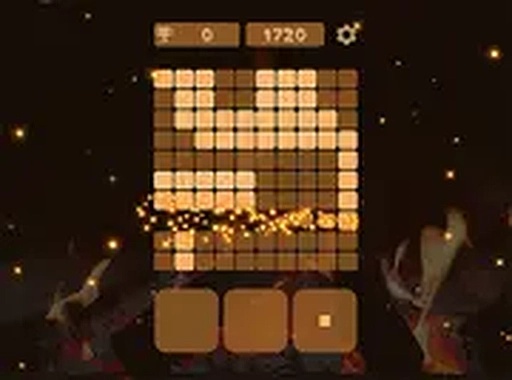
Players receive a set of colored tiles and must place them on a grid. The main goal is to fill entire horizontal rows, which then clear away and award points. Unlike many puzzle games, there is no falling mechanic or countdown timer. This design allows for deliberate, unhurried decision-making. Each move is permanent, so careful planning is rewarded. The board gradually fills, and the challenge lies in finding the best spot for each tile to keep the game going.
Atmosphere & Visual Design
The game presents a warm, inviting environment. A digital campfire sits beside the board, with animated sparks drifting upward. Soft, crackling audio plays in the background, creating a sense of calm. The tiles themselves use bright, pleasant colors that are easy to distinguish. The overall aesthetic is minimal and cozy, avoiding any harsh or distracting elements. This thoughtful presentation helps players settle into a relaxed state while playing.
Progression & Scoring System
Points are earned each time a row is completed and removed. Clearing multiple rows at once yields higher scores, encouraging strategic placement. The game does not impose levels or stages; instead, it offers a continuous experience where players can keep playing as long as they can fit tiles on the board. A running score lets players track their improvement over time. There are no leaderboards or competitive pressures, making the experience purely personal.
Accessibility & Family Appeal
The controls are simple—tap or click to select and place a tile. No reading is required, so very young children and non-native speakers can enjoy it. The absence of timers means players of all ages and skill levels can participate without frustration. This makes the game suitable for shared moments, such as a parent playing alongside a child. The gentle pace also accommodates players who may have limited dexterity or prefer a low-stress activity.
Strategic Depth Without Rush
While the game is easy to pick up, it offers room for thoughtful strategy. Players must consider the shape and color of upcoming tiles, plan ahead, and adapt as the board fills. Recognizing patterns and arranging tiles efficiently becomes more natural with practice. The lack of time pressure allows for experimentation and learning. This balance between simplicity and depth keeps the game engaging for longer sessions without causing mental fatigue.



Comments
0 comments