Core Puzzle Logic
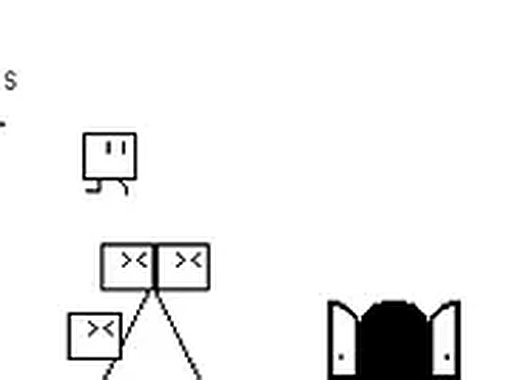
At its heart, Block Buddies Puzzle Quest is about planning a sequence of moves that gets every character to the goal. The environment contains fixed obstacles and gaps that block direct paths. Players must decide the order in which buddies move, because each one that gets left behind or falls becomes a permanent platform. This turns mistakes into resources, encouraging careful thought rather than quick reflexes.
Level Structure and Difficulty
Early levels introduce the basic idea with short routes and few hazards. As players progress, stages become longer and require more steps. Some levels present multiple keys that must be collected before the exit opens. Later puzzles may force players to sacrifice a buddy intentionally to create a bridge, then guide the remaining characters across. The difficulty curve feels natural, with each new concept building on what came before.
Visual Style and Atmosphere
The game uses bright, saturated colors and simple geometric shapes. Characters are small cubes with expressive faces that show emotion when they move or fall. Backgrounds remain clean and uncluttered, which helps players focus on the puzzle. Animations are smooth but quick, so the pace stays brisk. The overall look is cheerful and inviting, suitable for players of any age.
Controls and Accessibility
Players control the action using either a keyboard or mouse. Clicking or pressing directional keys moves the selected buddy one step at a time. The interface clearly shows which character is active and where the key and exit are located. A full-screen mode is available for desktop play. The game loads instantly in a browser and requires no installation, making it easy to start a session at any time.
Strategic Depth
While the core rule is simple, the puzzles demand real planning. Players must consider which buddy to move first, whether to risk a fall to create a platform, and how to use limited space efficiently. Some levels have multiple solutions, rewarding creative thinking. The game never punishes failure harshly; players can restart a level instantly and try a different approach. This trial-and-error design keeps the experience positive and encourages learning.


Comments
0 comments